Marseline: A Practical Review of the Romantic Calligraphy Script Font
In the crowded landscape of script fonts, finding one that balances elegance with genuine utility can be surprisingly difficult. Many calligraphy-inspired typefaces lean too heavily into ornamental flourishes, sacrificing readability for aesthetics. Others are so restrained that they lose the expressive quality that makes script fonts appealing in the first place. Marseline attempts to bridge this gap, offering a romantic and modern calligraphy script that is designed for real-world use across a wide range of projects. This article examines what Marseline actually delivers, where it excels, and who is most likely to benefit from adding it to their toolkit.
What Is Marseline? A Calligraphy Script with Intentional Design
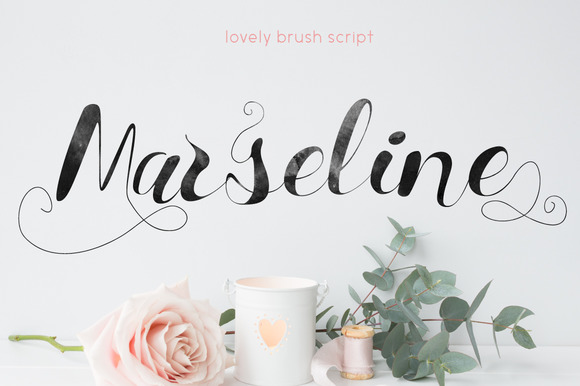
Marseline is a modern calligraphy script font that combines flowing, handwritten forms with a clean, contemporary finish. Unlike some script fonts that replicate handwriting with erratic stroke widths and uneven spacing, Marseline presents a more polished and consistent appearance. The letterforms are connected naturally, with smooth transitions and a balanced rhythm that makes extended text blocks readable without feeling mechanical.
The font draws on traditional calligraphy influences but updates them for digital use. Swashes and alternate characters are available, but they are not overpowering. This restraint is one of Marseline's defining strengths. The font is romantic in feel—think wedding invitations or heartfelt branding—but it avoids the excessively decorative look that can limit a typeface to only the most formal contexts. It is designed to be versatile, and that intention is evident in the glyph set and spacing choices.
Key Characteristics and What They Mean for Users
Understanding a font's technical characteristics helps determine whether it will perform well in your specific projects. Marseline includes several features worth examining closely.
Stroke Consistency and Readability
One of the most common complaints about calligraphy scripts is that they are difficult to read, especially at smaller sizes or in longer passages. Marseline addresses this with relatively consistent stroke weights. While there is natural variation—thicker downstrokes, thinner upstrokes—the contrast is not extreme. This makes the font more forgiving across different sizes and media. For a heading on a poster or a short phrase on a greeting card, readability is generally very good. For body text, it remains legible in short to medium lengths, though it is not designed for dense paragraph copy.
Glyph Variety and OpenType Features
Marseline includes a respectable set of OpenType features, including stylistic alternates, ligatures, and swashes. These allow users to customize the look of their text without switching to a different font. For example, if you are designing a logo and want a more expressive entry stroke on the first letter, you can select an alternate character. This flexibility is valuable for branding work, where uniqueness matters. The swashes are tasteful and can be applied to capital letters or terminal characters to add a flourish without overwhelming the word shape.
Language Support
The font covers a broad range of Latin-based languages, which makes it suitable for international projects. If you are working on materials for a European market or need to accommodate accented characters, Marseline handles this without gaps or awkward substitutions. This level of support may seem like a basic expectation, but many script fonts, especially those with a handmade aesthetic, cut corners on extended character sets. Marseline does not.
Real-World Performance: Where Marseline Shines
Practical testing across different project types reveals where Marseline delivers the most value and where its limitations become apparent.
Logos and Branding
For businesses that want a warm, approachable, or romantic identity, Marseline is a strong contender. A boutique bakery, a wedding photographer, a florist, or a lifestyle coach could all benefit from the font's blend of elegance and approachability. The alternate characters and swashes allow for subtle customization, helping a logo feel bespoke rather than off-the-shelf. The font works well in both standalone wordmarks and paired with a clean sans-serif for a two-typeface system. One practical note: because script fonts rely on connected letterforms, they can be less effective in very small sizes or when reversed out of a busy background. Marseline performs best when given space to breathe.
Invitations and Greeting Cards
This is arguably Marseline's natural habitat. Wedding invitations, engagement announcements, birthday cards, and holiday greetings all benefit from the font's romantic yet modern sensibility. The swashes can be used to create decorative lines or embellishments, reducing the need for additional graphic elements. The font pairs well with textured paper stocks and foil stamping, though it also reproduces cleanly in digital formats. For event stationery, Marseline provides a consistent and polished look without requiring extensive layout adjustments. Users report that the font prints clearly at sizes down to around 10–12 points, which is sufficient for address blocks or secondary text on an invitation suite.
Posters, Labels, and Brochures
In larger format applications like posters or signage, Marseline's stroke consistency becomes an advantage. The letters remain readable from a distance, and the calligraphy style adds a human touch that can make a poster feel less corporate. For product labels—think candles, skincare, gourmet food items—Marseline conveys a handcrafted quality that aligns well with artisanal branding. On brochures or book covers, the font works best for headlines, pull quotes, or decorative section headers rather than long body copy. Its effectiveness in these contexts depends on the audience and the brand's visual identity, but for projects that aim for a sophisticated yet accessible tone, Marseline is a reliable choice.
T-Shirt Designs and Merchandise
Marseline can work on apparel, but with some caveats. The font's moderate stroke contrast and connected letters mean it will need to be sized appropriately to remain legible on fabric. For short phrases, single words, or names, it is a solid option. For longer text or small print areas, a simpler sans-serif or bolder script may be more practical. The font's romantic style suits certain apparel niches—think boho-inspired lines, motivational quote tees, or bridal party shirts—but it may feel out of place on more casual or athletic merchandise.
Usability and Workflow Integration
For professionals who work with multiple fonts regularly, ease of use matters. Marseline installs like any standard OpenType font and works across major design software, including Adobe Creative Suite, Affinity, Canva, and web-based platforms that support custom font uploads. The OpenType features are accessible through the standard Glyphs panel in most professional applications, so switching alternates or applying ligatures is straightforward.
The font includes both uppercase and lowercase characters, numerals, punctuation, and basic symbols. Spacing is well-calibrated out of the box, which means less time spent on manual kerning adjustments. For users who are new to script fonts, this is a notable time-saver. The font family is available in what appears to be a single weight, which is typical for calligraphy scripts but worth noting for those accustomed to multi-weight families. For projects that require contrast, pairing Marseline with a complementary sans-serif or serif is recommended.
Who Benefits Most from Marseline
Based on its characteristics and performance, Marseline is best suited for creative professionals and small business owners who need a reliable, attractive script font for branding, stationery, and short-form print or digital materials. Wedding and event planners, graphic designers specializing in lifestyle brands, and entrepreneurs launching products in the beauty, food, or home decor space will find the font aligns well with their visual needs.
Freelancers and bloggers can also benefit. For a lifestyle blog header, a course landing page, or a social media template, Marseline provides a polished script option that does not look generic. Educators creating classroom materials or event flyers may appreciate its readability and approachable tone. The font is accessible enough for users with intermediate design skills, yet flexible enough to satisfy professionals with more demanding requirements.
Practical Limitations and Considerations
No font is perfect for every project, and Marseline has its boundaries. As noted, it is not suited for dense body text. Attempting to use it for long paragraphs or small print will strain readability and diminish the font's visual appeal. For projects that require extensive text in a script style, a more utilitarian cursive font may be a better fit. Additionally, the single-weight offering means designers seeking bold or light variants for hierarchy will need to pair Marseline with another typeface, rather than relying on a single family. This is not unusual for script fonts, but it is a constraint worth acknowledging.
Another consideration is the font's style specificity. While Marseline is versatile within certain contexts, its romantic character may not align with every brand identity. Corporate presentations, technical documents, or minimalist modern brands may find the font too expressive or ornamental. Understanding when to use Marseline is as important as knowing how to use it.
Long-Term Value and Reliability
A font that looks good in a single project but wears out its welcome quickly is of limited value. Marseline holds up well over repeated use, largely because its design avoids extreme trends. It is contemporary without being faddish, and its calligraphy roots give it a timeless quality. For a small business owner or freelancer who wants a consistent visual identity across seasons and campaigns, Marseline offers staying power. The font's broad language support and well-implemented OpenType features also contribute to its long-term utility. As projects evolve and audiences grow, the font can scale with those changes without feeling dated or out of place.
Final Thoughts on Marseline for Practical Use
Marseline occupies a useful middle ground in the script font market. It is romantic enough for formal invitations and personal branding, yet modern enough for digital content and merchandise. Its stroke consistency and readability set it apart from more decorative calligraphy fonts that sacrifice legibility for flair. The OpenType features and language support add real value for professionals who need flexibility and international reach. While it has limitations—primarily around body text and single-weight availability—these are typical of the genre and do not diminish the font's effectiveness in its intended applications.
For anyone evaluating script fonts for upcoming projects, Marseline is worth serious consideration. It delivers on its promise of a romantic, modern calligraphy script that works across headings, logos, invitations, t-shirt designs, greeting cards, posters, labels, book covers, brochures, and similar materials. The font is not a universal solution, but it is a well-crafted tool that performs reliably in the contexts where it is designed to be used. That kind of focused quality is exactly what professionals and serious hobbyists should look for when building a type library that will serve them well over time.