Hugs and Kisses: An Elegant Script Font for Streamlined Creative Workflows
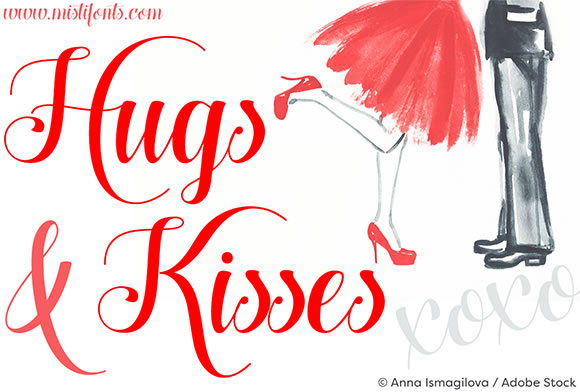
Typography choices can define the tone of a project. Among the many options available, Hugs and Kisses and its sibling variant Hugs and Kisses xoxo stand out as elegant script fonts designed for versatility. Whether you’re crafting a logo, building a brand identity, or preparing a wedding invitation, this font delivers a refined, handwritten feel without sacrificing readability. But beyond its aesthetic appeal, understanding how to integrate Hugs and Kisses into your actual workflow makes the difference between a one-off decorative element and a reliable, repeatable tool across projects.
This article walks through practical ways to incorporate Hugs and Kisses into your processes—from initial planning and purchase decisions to long-term asset management—so you can focus on execution rather than troubleshooting.
Understanding Hugs and Kisses as a Workflow Asset
Before downloading any font, consider how it fits into your broader creative or business process. Hugs and Kisses xoxo is a script typeface with delicate strokes, balanced proportions, and a warm, personal character. It belongs to the category of script fonts that mimic elegant handwriting—useful for applications where you want to convey intimacy, celebration, or sophistication.
In a workflow context, think of this font as a resource that can appear at multiple stages: during brainstorming (drafting headlines for mood boards), in production (setting text for posters or greeting cards), and in final deliverables (logos for packaging). Its compatibility with design software like Adobe Illustrator, Canva, or Affinity Designer is strong, but you still need to test spacing, kerning, and color contrast to ensure it holds up across formats.
Preparing for Integration: Licensing, Formats, and Compatibility
Before using Hugs and Kisses in a commercial project, check the license details. Many script fonts come with standard desktop licenses for print and static images, but may require extended licenses for merchandise, t-shirt designs, or digital embeds. When you purchase or download the font, note whether it includes OpenType features like ligatures or stylistic alternates—these can save time later if you need natural cursive connections.
Prepare your environment:
- File formats – Ensure you have OTF (OpenType) or TTF (TrueType) versions. Both work well across operating systems, but OTF sometimes offers better support for advanced typographic features.
- Font management software – Use tools like FontBase, Suitcase Fusion, or even your system’s built-in Font Book. Organize your script fonts into a dedicated collection, especially if you work with multiple families. This prevents conflicts and speeds up selection.
- Sample testing – Before committing to a full project, set a sample string in Hugs and Kisses at various sizes. Notice how it renders at 12 pt for body text versus 72 pt for a headline. Script fonts often shine at larger sizes but can become muddled when scaled down.
Where Hugs and Kisses Fits in the Design Process
A typical creative workflow involves phases: research, concept development, prototyping, production, and delivery. Hugs and Kisses can be useful at each stage if you plan intentionally:
- Before – During brainstorming, use the font in mockups to explore emotional tone. For example, if you’re designing a logo for a boutique bakery, placing the name in Hugs and Kisses xoxo on a rough sketch helps you gauge whether the elegant script aligns with the client’s brand personality. This early visualization reduces rework later.
- During – In production, use the font as a primary heading style or accent element. Pair it with a clean sans-serif or serif for body text. Test color combinations: muted pastels, metallics, or high-contrast white on dark backgrounds often work best with delicate scripts.
- After – After delivery, archive the project files with the font embedded (or outline the text) so it remains editable without redistributing the font file. Document the font name, weight, and size in your style guide for consistent reuse.
Practical Implementation Tips Across Use Cases
The true value of Hugs and Kisses reveals itself when you apply it to specific deliverables. Below are workflow-oriented tips for common scenarios:
Logo Design and Branding
When using a script font for a logo, you need to consider uniqueness. Hugs and Kisses xoxo provides a classic look, but it is not a custom face. To differentiate, combine it with a distinctive graphic element or modify the letter spacing slightly. For small business logos, set the company name in the script and add a tagline in a neutral sans-serif below. Consistency matters: once you choose weight and size, keep those parameters in your brand guidelines file.
During the logo design process, create several versions: full color, reversed (white on dark), and single-color. Test readability at small sizes (e.g., social media avatars) and large formats (billboards). Adjust tracking if the script appears too tight or loose.
Invitations and Greeting Cards
For invitations, the font works beautifully for headings like “You’re Invited” or the couple’s names. For the body text (date, location, RSVP details), use a simpler font to maintain readability. In your layout software, place the script text on a separate layer and lock it once positioned. This avoids accidental edits. When exporting for print, ensure all text is converted to outlines or that the font is included in the package.
A practical workflow tip: create a reusable template with placeholder text in Hugs and Kisses. When a new event arises, you only need to update the content, not the styling. This speeds up production for frequent projects like monthly newsletters or seasonal greeting cards.
T-Shirt Designs
Apparel requires special attention to fabric and print method. If you are designing a t-shirt, place the Hugs and Kisses text in a central or wrapped position. Avoid extremely thin strokes if screen printing, as they may fail during production. Instead, use a bolder weight or add a slight outline. In vector software, convert the font to paths and check the fill for cleanliness. Share the exported file with your printer in the preferred format (AI, EPS, or PDF with outlines).
Ensuring Quality and Consistency Across Projects
Once you adopt Hugs and Kisses as a recurring asset, you need a system to keep results uniform. Here are actionable measures:
- Font management – Keep a single source of truth for the font files. If you work in a team, store them in a shared folder (e.g., Google Drive or a NAS) with clear naming: Hugs_Kisses_xoxo_v1.otf. Update the version if you get an updated file.
- Style guides – Document the specific use cases: “Headings only, minimum size 18 pt, color hex #B76E79 (rose gold).” Include a screenshot of the font in action. This helps collaborators apply it correctly without guesswork.
- Quality checks – Before finalizing any deliverable, zoom into the cursive connections. Script fonts sometimes create unsightly gaps or collisions between characters. Adjust tracking or manually kern if needed. In design software, turn on “optical kerning” as a starting point, then fine-tune.
Long-Term Asset Management and Return on Investment
Hugs and Kisses and its xoxo variant are not one-time tools. With proper management, they can become part of your library for years. To maximize their lifespan:
- Back up the font files with your other digital assets. Use a consistent folder structure:
Assets > Fonts > Script_Fonts > Hugs_and_Kisses. - Renew your license if you shift to a different usage tier (e.g., from personal to commercial). Keep purchase receipts in a dedicated folder.
- Periodically review your font usage. If you find that Hugs and Kisses has become a brand standard, consider purchasing an extended license to cover all your clients or products.
For entrepreneurs who sell products like greeting cards or printable invitations, embedding the font in templates can be a time-saving strategy. Store the editable files with the font licensed properly for redistribution (if allowed). This approach turns a single design asset into a scalable product line.
Integrating Hugs and Kisses with Other Resources and Methods
Fonts do not operate in isolation. Hugs and Kisses interacts with color palettes, imagery, layout grids, and even printing techniques. When planning a project, think about the entire visual system:
- Color – Script fonts pair well with soft backgrounds. Test the font over photos or gradients. Use high contrast for readability, but avoid harsh clashes. For example, a dusty blue background with gold script can feel premium.
- Complementary fonts – Choose a sans-serif like Lato or Montserrat for body copy. Ensure the x-heights and weights harmonize. A rule of thumb: the script should be no more than two styles in your composition.
- Platform constraints – If you’re using Hugs and Kisses on a website (for a logo or heading), convert it to SVG or use @font-face with the correct license. Be aware that performance matters: loading an extra font file affects page speed. Weigh the benefits of elegance versus performance.
Practical Workflow Examples
Let’s walk through two realistic scenarios:
Scenario A: A Freelancer Designing a Wedding Invitation Suite
The freelancer starts by creating a mood board in Canva. They add a placeholder using Hugs and Kisses xoxo to see how it feels. After client approval, they move to Adobe InDesign. They set the couple’s names in the script at 36 pt, with warm gold color. For the details, they use Open Sans in small caps. They manually adjust tracking on the script to avoid awkward gaps. Before exporting, they use the “Package” feature to collect fonts and images. The final file goes to print as a PDF/X‑1a. After delivery, they archive the package and update their font library with a note: “Used in July 2025 project – keep license active.”
Scenario B: A Small Business Owner Creating Social Media and Packaging
The owner uses Hugs and Kisses in their logo (displayed on product labels and Instagram posts). They maintain a simple brand guide: the script for the business name, and a clean sans-serif for calls to action. For each new product launch, they reuse the same logo template but swap the product-specific text. This saves design hours. They keep the font file in a shared drive so their graphic designer can access it. When ordering t-shirts for a pop-up, they provide the font as outlines in the artwork file to avoid any font substitution issues.
Making Hugs and Kisses a Reliable Part of Your Toolset
Adopting a script font like Hugs and Kisses is not about finding a pretty typeface—it is about knowing how to deploy it reliably across projects. By preparing your environment, integrating it into phased workflows, documenting usage, and planning for long-term maintenance, you turn a single font into a consistent brand or project asset. Whether you are a marketer, designer, entrepreneur, or educator, the steps outlined here will help you use Hugs and Kisses xoxo with confidence and efficiency.
Remember: a font is only as good as the process around it. Start with a small test project, adjust your spacing and pairing, and then scale. Over time, this elegant script can become a go-to element that adds personality without adding complexity.